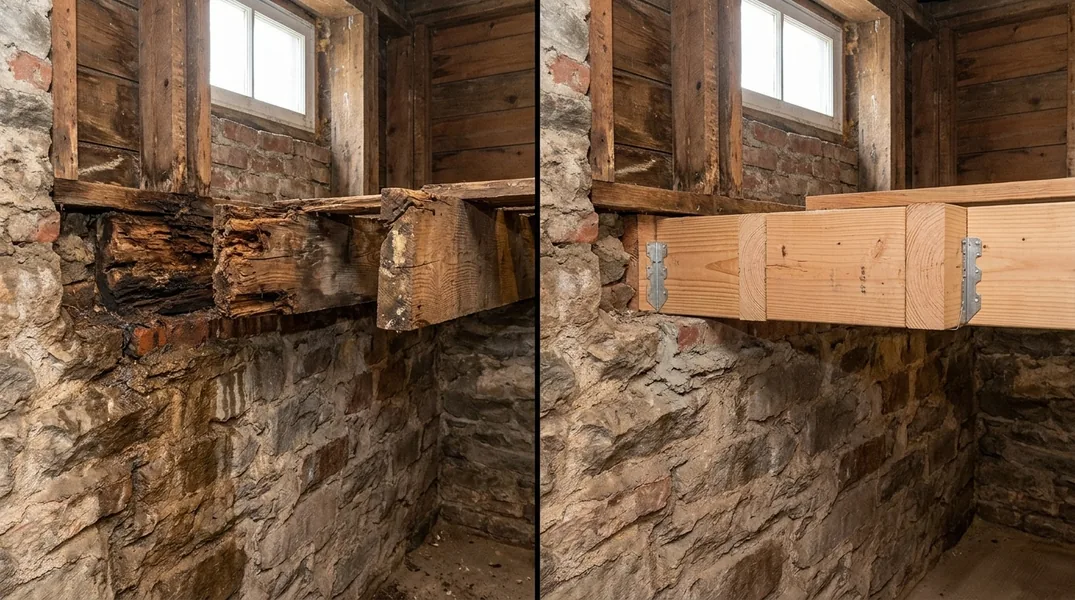
The Case for Repairing Original Wood Windows in New York
Walk through any historic neighborhood in New York, and you'll see them: beautiful original wood windows that have survived decades, even centuries. These aren't just functional features; they're architectural assets that define the character of older buildings. Yet when homeowners notice rot, drafts, or paint failure, many assume replacement is the only option. The truth is more nuanced, and often, repair is not only the smarter choice but also the more sustainable one.
Original wood windows possess qualities that modern replacements struggle to match. The wood is often old-growth timber with superior density and durability. The craftsmanship in the joinery, glazing, and hardware reflects standards that contemporary manufacturing rarely achieves at similar price points. When damage is limited to the sill or frame, targeted Wood Rot & Dry Rot Repair can restore these windows to full functionality while preserving their historical and aesthetic value.
Understanding Window Sill Rot and Why It Happens
Window sills bear the brunt of weather exposure. They sit at the intersection of exterior and interior environments, constantly exposed to rain, snow, temperature fluctuations, and UV light. In New York's climate, where winters are harsh and moisture levels fluctuate seasonally, sills face particular stress. Water penetrates through failed caulk, compromised paint, or gaps in the frame, soaking into the wood grain. Over time, this moisture activates wood-destroying fungi, leading to the soft, spongy deterioration we call rot.
Dry rot, despite its name, also requires moisture to develop. It's actually a specific type of fungus (Serpula lacrymans) that spreads rapidly through wood, often traveling along structural members. Wet rot, the more common culprit in window sills, develops more slowly but is equally destructive. Both types weaken the wood's structural integrity, creating soft spots where the wood loses density and strength. Early detection is critical. A sill that feels soft when probed with a screwdriver, shows discolored or peeling paint, or has visible gaps and cracks is signaling that moisture has already done damage.
Window Sill Replacement vs. Targeted Sill Repair: The Comparison
Full window replacement involves removing the entire window unit, the frame, and often surrounding trim. It's invasive, expensive, and destructive to the original fabric of a historic home. Replacement windows, while energy-efficient, typically use aluminum or vinyl frames that don't match the proportions, depth, or appearance of original wood windows. For many homeowners in New York, replacement also means losing original hardware, glass, and architectural details that cannot be replicated.
Window sill repair, by contrast, is surgical and preserving. When rot is confined to the sill itself, a skilled carpenter removes only the damaged section, treats the remaining wood to prevent future fungal growth, and installs a new sill that matches the original profile and material. The window sash, frame, and trim remain intact. In many cases, the repair is invisible once properly finished and painted. The cost of sill repair is typically 40 to 60 percent less than replacement, and the work is completed in days rather than weeks. For homeowners committed to maintaining their property's character and integrity, repair is almost always the better choice.
The Repair Process: What to Expect
Professional Wood Rot & Dry Rot Repair begins with a thorough assessment. A carpenter will probe the sill and frame, identify the extent of damage, and determine whether repair is feasible or if structural compromise requires more extensive work. If the damage extends into the frame or mullions, repair becomes more complex, but it's still often preferable to replacement. Once the scope is clear, the damaged wood is carefully removed using hand tools and chisels, preserving as much original material as possible.
The remaining wood is then treated with a fungicide to arrest any remaining spores and prevent recurrence. New wood, typically matching the species and grain of the original, is fitted and joined using traditional joinery methods. The repair is then sealed, primed, and painted to match the existing finish. Proper caulking around the sill and frame is essential to prevent future water infiltration. A well-executed repair should last 20 to 30 years or more, especially if the window is maintained with regular painting and caulking inspections every few years.
Preserving Historic Character While Ensuring Durability
One of the strongest arguments for sill repair over replacement is preservation. Historic windows are part of a building's story and contribute to neighborhood character. They also represent embodied energy; manufacturing and installing new windows consumes resources and generates waste. Repair is the more sustainable choice. When you repair an original window, you're making a statement about valuing craftsmanship, history, and longevity over convenience and novelty.
That said, durability requires maintenance. After a sill repair is complete, homeowners should commit to regular upkeep. This means inspecting caulk annually, repainting every 5 to 7 years, and addressing any new signs of moisture or damage promptly. A small leak caught early is far cheaper to repair than allowing rot to spread. Many homeowners find that this ongoing relationship with their windows deepens their appreciation for the building and its history. The investment in repair pays dividends in both function and satisfaction.
Window Sill Rot Repair Cost in New York: What to Budget
The pricing for window sill repair in New York varies based on the extent of damage, the sill's size, and the complexity of the repair. A straightforward sill repair on a single window typically ranges from $600 to $1,500. If the damage extends into the frame or multiple windows require attention, costs can climb to $2,000 to $4,000 or more. These figures are still substantially lower than replacement, which often exceeds $3,000 to $5,000 per window for quality wood windows.
Labor costs in New York are higher than in many regions, but they reflect the skill and experience required for this detailed work. When requesting a free estimate, be prepared to have a carpenter visit your home to assess the damage in person. Photos alone cannot determine whether repair is viable; a hands-on evaluation is essential. New York City Carpentry can be reached at (929) 493-3098 to schedule an inspection and receive an accurate quote tailored to your specific situation.
When to Call a Professional for Window Sill Repair Near Me
Not every window issue requires professional intervention. Loose caulk, minor paint peeling, or surface discoloration can often be addressed by a diligent homeowner with basic tools and materials. However, if you suspect rot, if the wood feels soft or spongy, if there's visible fungal growth or staining, or if water is entering the interior, professional help is necessary. Attempting a DIY repair on rotted wood often leads to incomplete treatment, allowing the fungus to persist and spread.
Professional carpenters have access to specialized tools, fungicides, and materials that aren't readily available to consumers. They understand wood movement, proper joinery, and finishing techniques that ensure a repair will last. They also carry insurance and warrantees their work, protecting you if something goes wrong. If you're in New York and notice signs of window sill damage, reach out to New York City Carpentry at (929) 493-3098 or request a free estimate through our website. A professional assessment will clarify your options and help you make an informed decision about your windows.
Looking for a professional carpentry contractor in New York? New York City Carpentry responds fast for all your carpentry needs.
Get a Free QuoteOur services: Wood Rot & Dry Rot Repair · Termite Damage Repair · Floor Joist & Subfloor Repair